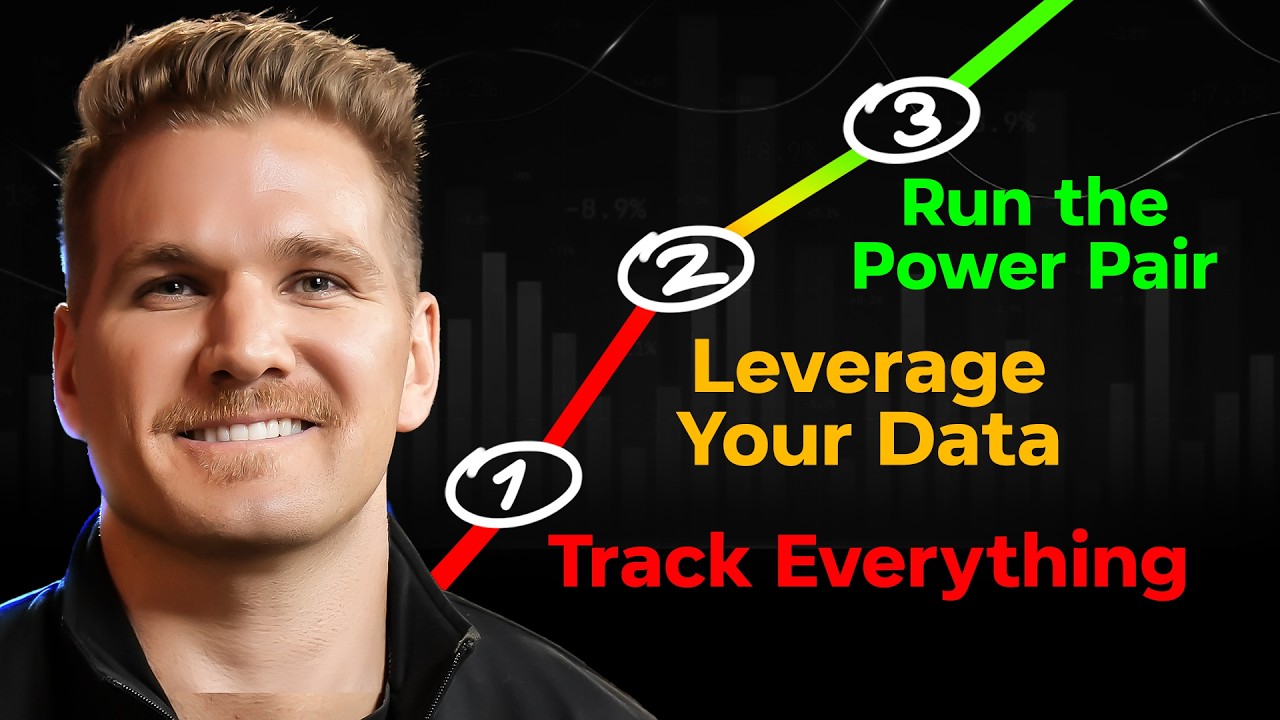



Quick Summary: The 6 Core Systems for Predictable Growth
| System | What it’s for |
| #1 — Hyper-local UGC-style creative | Run iPhone-style local video that feels authentic and market-specific (not overproduced). |
| #2 — Google Tag Manager (tracking infrastructure) | Track behavior and intent across your sites so you can segment and retarget. |
| #3 — Google “power pair” (Performance Max + Search) | Combine awareness + intent capture to build a strong acquisition engine. |
| #4 — Meta for retargeting + audience scaling | Retarget real behaviors and expand with lookalikes built from first-party data. |
| #5 — Centralized reporting & dashboards | Create a single source of truth across locations to double down on what works. |
| #6 — Close the loop with Dishio (first-party data) | Turn anonymous foot traffic into trackable, repeatable revenue with QR capture. |
1. Why Multi-Location Growth Gets Messy Fast
Growing multiple franchise locations at once introduces a consistent challenge: performance becomes uneven. Some stores thrive, others do okay, and a few underperform.
The hardest part is driving consistent results across every store. Without the right systems, it’s nearly impossible to know what’s working and what’s not.
This is why multi location restaurant marketing must be built like an operating system—repeatable, measurable, and easy to deploy market-by-market.
2. The Core Promise: Track From Clicks to Credit-Card Swipes
This plan emphasizes measurable, repeatable marketing. The objective is to track campaigns from digital clicks to real outcomes—store visits and sales.
That requires infrastructure that turns anonymous traffic into restaurant customer data and a marketing foundation that franchises can actually run with.
If you need help designing the full rollout (creative + tracking + activation), start with Dishio services.
3. System #1 — Get the Creative Right (UGC-Style Local Video)
Video remains king, and the best-performing content now often looks like it was shot on an iPhone.
Instead of overly polished production, UGC-style creative feels raw, relevant, and relatable to the local community.
A key advantage for multi location restaurant marketing is that the same creative system can be tailored market-by-market—without reinventing the wheel for every location.
4. System #2 — Track Everything With Google Tag Manager (GTM)
If you aren’t tracking where marketing dollars go, you can’t optimize. GTM is the core infrastructure to collect behavior and intent.
It organizes tags (Meta, Google, TikTok, etc.) into one container and captures website behaviors: who visited, what pages they viewed, and what they clicked.
The payoff is segmentation. Example: build audiences like “clicked order online but didn’t checkout” or “viewed vegan bowls,” then remarket with tailored messaging.
5. System #3 — The “Power Pair”: Google Performance Max + Search
The plan recommends a campaign combo: Google Performance Max (PMax) plus Google Search.
PMax acts as an awareness engine—using AI to serve ads across YouTube, Search, Maps, Gmail, Display, and more. Search captures intent—when someone types “best lunch near me” or “open late pizza.”
Together, awareness + intent can drive stronger ROI and more consistent growth across locations.
6. System #4 — Meta Done Right (Retargeting + Audience Scaling)
Meta (Facebook + Instagram) is strongest for retargeting and scaling when used correctly.
Once tracking is set up, you can build custom audiences from real behaviors: viewed menu, clicked an ad but didn’t redeem, scanned a QR code in-store.
Then you retarget with time-sensitive promos, new items, or higher-ticket offers like catering, private dining, and ticketed events.
Lookalike audiences matter here: feeding first-party signals trains the algorithm to find more people who behave like your best customers.
7. System #5 — Centralized Reporting & Dashboards
As locations scale, scattered data kills clarity. Centralized reporting becomes critical—a live hub where leaders can see performance across every location.
You should be able to view performance by region, which ads drive in-store traffic, and which offers/creatives/messages perform best—so you can double down on winners and cut what’s not working.
8. System #6 — Close the Loop With Dishio (First-Party Guest Data)
Dishio captures first-party guest data at the moment of engagement when a guest scans a Dishio QR code in-store.
That restaurant customer data can include email/phone, visit frequency, what they scanned or viewed, what they ordered, and which location they visited.
If you want to see how this becomes an operating system (not just a tactic), explore the Dishio platform.
9. The Big Opportunity: Maximize Existing Guests Before Chasing New Ones
The most cost-effective way to grow isn’t only chasing new customers.
It’s maximizing the value of the customers you already have—bringing them back more often and increasing how much they spend over time.
This is where restaurant marketing automation becomes a growth lever: the goal is to make retention and reactivation repeatable, not manual.
10. How the Systems Connect Into a Revenue Engine
This plan isn’t six disconnected tactics. It’s a loop:
- Creative attracts attention locally.
- Tracking captures behaviors and intent.
- Google campaigns build awareness + capture demand.
- Meta retargeting converts warm audiences and scales via lookalikes.
- Dashboards provide visibility across stores.
- Dishio closes the loop by turning foot traffic into first-party data that feeds the entire machine.
To deploy this across a real tech stack, align your tools through integrations so signals don’t fragment by platform or location.
If you’re rolling this out location-by-location, start with single locations and standardize the baseline before scaling system-wide.
Final Thoughts
If you want to scale to 50 locations, the goal isn’t “more marketing.” The goal is better systems around marketing.
This six-system plan is built to create predictable growth across every store by combining creative, tracking, acquisition, retargeting, centralized reporting, and first-party data capture.
When you can see what’s working, replicate it market-by-market, and feed real guest data back into your campaigns, you replace guesswork with a revenue engine that compounds.
If you want help building this system with Dishio, start with Dishio services or talk to Dishio.