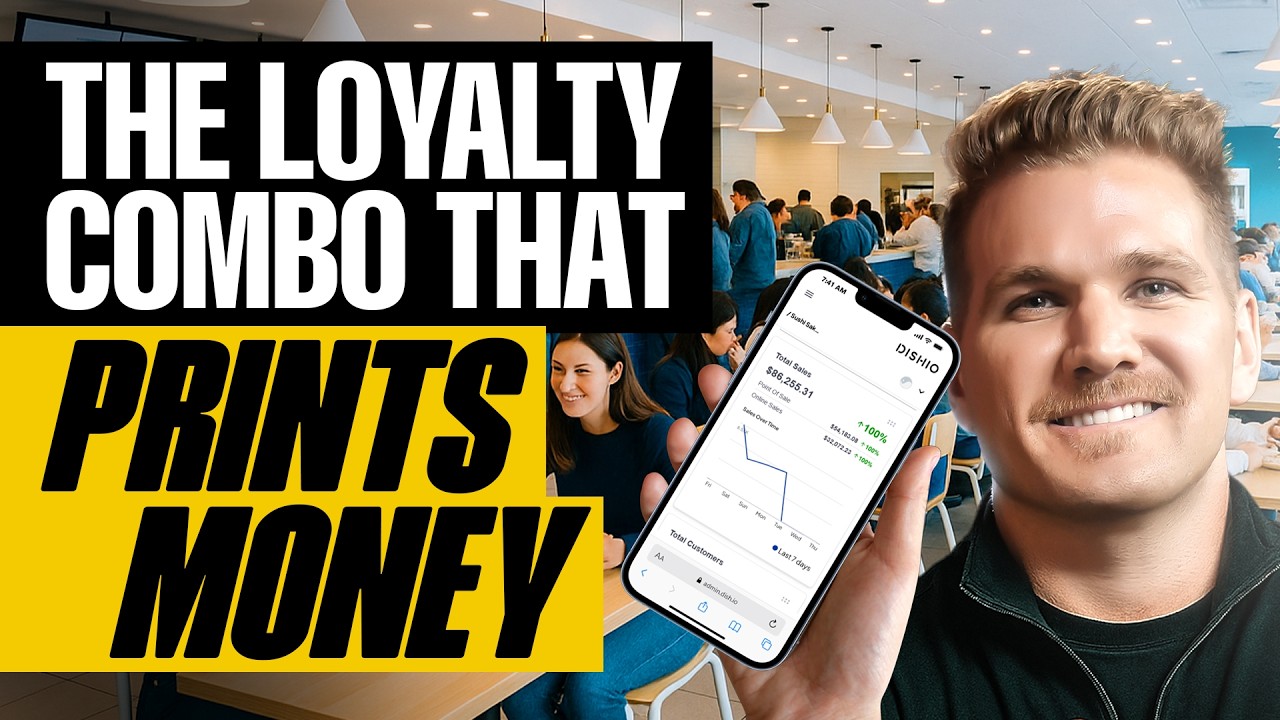



Quick Summary: The Loyalty Gap (and the Fix)
| Key idea | What it means for your restaurant |
| Loyalty apps capture a small % | Even big franchise operators may see app adoption below ~3% for dine-in guests—leaving ~97% of diners anonymous. |
| Guests move through a funnel | Think cold → warm → hot → loyalists (app users). The biggest opportunity is the middle. |
| Create a gateway before loyalty | Use QR-code activation points + smart routing so guests get what they want in the moment (menu, waitlist, ordering) while you capture consented data. |
| Trigger follow-up automations | Use visit timing, spend level, and intent to nudge repeat visits and eventually push guests into your loyalty program. |
| Use guest data to cut ad costs | Retarget warm guests on Meta/Google/YouTube instead of blasting cold audiences—often lowering CPC and improving conversion rates. |
1) The Problem: Loyalty Captures Only a Fraction
The core point is simple: most guests who visit a restaurant never enroll in the loyalty program. They come in once, pay, and leave—and then the restaurant has no system to bring them back.
This guide isn’t about which loyalty program is “best.” It’s about the gap between first-time visitors and the small group of true loyalty members.
2) The 3% Reality: Loyalty App Adoption Is Tiny
A multi-location operator example is shared where the corporate push is often: “get guests onto the app.” On paper, it makes sense—direct ordering, fewer third-party fees, push notifications, and control.
But when they checked how many dine-in guests actually used the app, the number was under 3%. The loyalty app can be valuable, but if ~97% never enroll, you’re missing most of your audience.
3) Think Funnel: Cold → Warm → Hot → Loyalists
Loyalty adoption is reframed as a funnel. At the bottom are the loyalists—the small percentage who download the app. Above them are guests who like the restaurant and may visit weekly or bi-weekly, but still never download the app.
That top-middle group is where many restaurants are flying blind—and it’s the biggest retention opportunity for single-location operators and groups alike.
4) The Hidden Cost of Ignoring the Middle
If you don’t understand or address this gap, you end up relying on old-school marketing or expensive awareness bets—like spending $50,000 on a stadium banner and hoping sales go up.
The point isn’t that billboards or banners never work. The point is there’s a more scientific way to drive retention and repeat visits.
5) The E-Commerce Analogy: Missing Follow-Up Systems
Restaurants are compared to e-commerce. In e-commerce, if someone adds something to cart and leaves, the brand has systems to follow up (email capture, cart abandonment reminders, retargeting ads).
Restaurants often skip the equivalent. Loyalty programs reward the finish line (enrollment), but don’t catch and nurture the guests in the middle.
H2: 6) Build a Gateway Before Loyalty (QR Activation Points)
The first step is creating activation points—places where a guest can scan a QR code. Examples mentioned include table tents, menus, receipts, to-go bags, order screens, and host stands.
The key principle is: every scan equals data. The goal is to capture consented first-party data plus intent signals from guests.
7) Smart Routing: Give Guests What They Want Now
This should not be “scan → loyalty app.” That creates friction. Instead, route guests to what they want right now—online ordering, joining a waitlist, viewing a menu, etc.
You’re still capturing the data and intent signals, but you’re doing it in a way that feels useful to the guest.
H2: 8) Automations That Drive Repeat Visits
Once you have data, you can trigger automations based on visit timing, spend level, and interest.
Examples referenced: a guest who spends $20 on lunch could receive a bounceback offer for dinner; someone who clicks catering can receive a nurture sequence until they book.
9) Lower Ad Costs with Warm Retargeting
Guest data changes paid ads—especially when integrations send warm audiences back to ad platforms. Instead of targeting random cold audiences, you can retarget warm guests—people who scanned a QR code, visited your site, or engaged with your menu.
Because you’re showing ads to people who already know you, cost per click can drop and conversion rates can improve compared to cold traffic.
10) Example Flow: Drive Three Visits (Step-by-Step)
An example flow inside Dishio software is described where the goal is to get guests to come back three times.
In the sequence shown: a guest scans a QR code and enters information over a menu experience. The guest receives an offer that’s available within 14 days, with a one-day delay before redemption. After redemption, they’re prompted to leave a review on Google or Yelp. Then there’s a one-week delay, followed by an invitation to come back for lunch. Seven days after that, the flow introduces catering.
The point of the example is the same core idea: there’s a huge opportunity between “a one-time purchase” and “a loyalty program member,” and that middle can be systematized.
Final Thoughts
Loyalty programs can be valuable—but they’re not a complete retention strategy on their own.
The gap is the majority of guests who visit and never enroll. The solution outlined here is to build a gateway before loyalty with Dishio: use activation points (like QR codes)…, route guests to what they want in the moment, capture consented first-party data, trigger follow-up automations, and retarget warm guests to drive repeat visits.
Over time, you can still push guests into your loyalty program—but you’ll no longer be relying on “download the app” as your only retention lever.