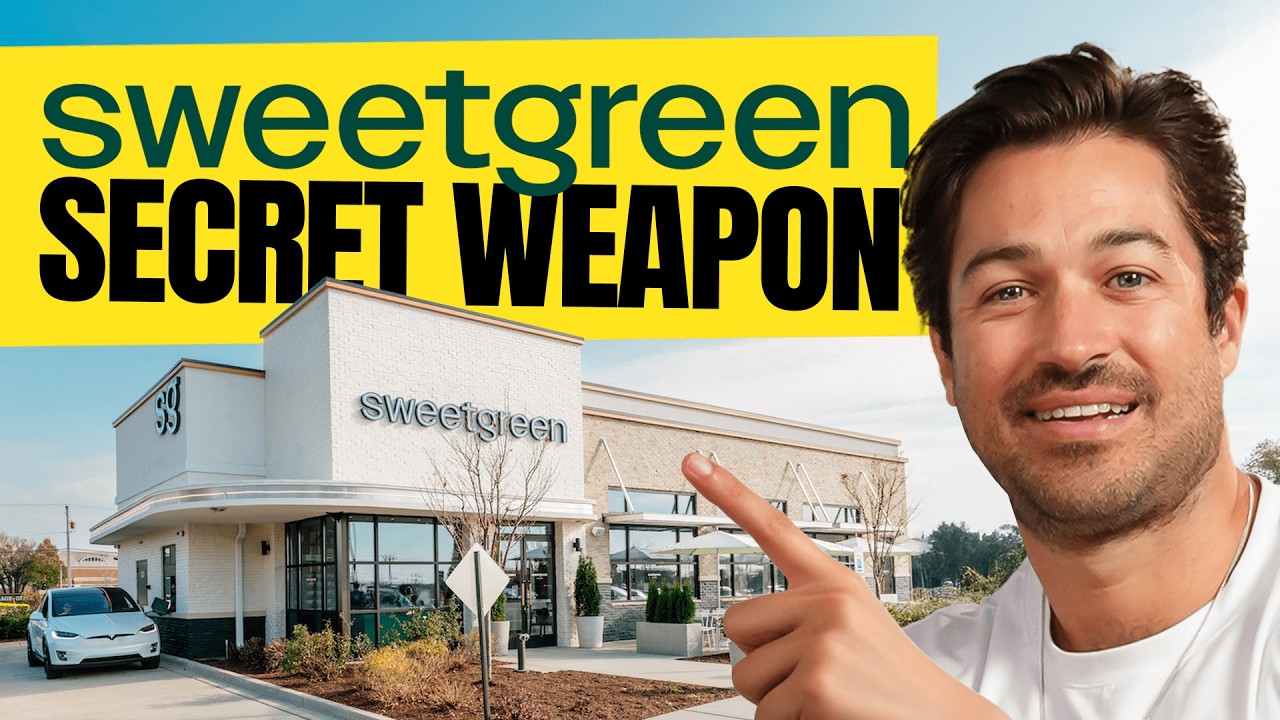


Quick Summary: The Secret Menu Flywheel
| Move | Why it works |
| Make one item exclusive | Guests don’t “download an app.” They trade data for access (value exchange). |
| Create scarcity + FOMO | Removing it from the normal menu increases desire and urgency. |
| Use a collab that feels real | The partner isn’t a billboard—co-creation makes it aspirational. |
| Turn orders into CRM data | App-only ordering captures identity + behavior (name, email, phone, history, location), especially when integrations connect data across your stack. |
| Keep operations simple | Fully digital = minimal staff training and low rollout risk. |
Case Study: The App-Only Naomi Osaka Bowl
| Case detail | What happened |
| Timing | May 2021 |
| Product | A new salad created in partnership with Naomi Osaka |
| Distribution rule | App-only: not available in-store, not on the website, not call-in |
| The constraint | No app, no salad |
| Claimed impact | Helped push Sweetgreen past 2 million app downloads with a spike around the drop |
1) Why Most Menu Launches Fail (No Data)
Most menu launches follow the same pattern: you drop a new item, post it on social, and hope people bite. Sometimes it gets likes. Sometimes it flops.
The real problem is deeper: there’s no data, no system, and no feedback loop. You can’t tell who saw it, who came in for it, or who never returned. Worse, you don’t own the audience—you’re dependent on walk-ins, third-party apps, or short-lived organic reach.
When it’s time to launch something new, you’re not marketing—you’re guessing. That’s reactive, fragile, and unscalable for multi-location growth.
2) The Offense Mindset: Build a System You Own
The shift is playing offense. Instead of hoping a post goes viral, build a promotion that creates a measurable value exchange, captures first‑party data, and strengthens a retention engine that compounds across locations.
3) The Sweetgreen Move: App-Only Exclusivity
Sweetgreen launched a new salad—the Naomi Osaka Bowl—with a twist: you couldn’t order it in-store. It wasn’t listed on the website. You couldn’t call it in.
The only way to order it was through the Sweetgreen app. No app, no salad.
That single decision triggered what’s described as a powerful growth flywheel.
4) Trigger #1: Value Exchange (Data for Access)
Instead of begging guests to download an app, Sweetgreen made the product exclusive. If you wanted the bowl, you downloaded the app.
The result is that fans move from passive attention to active, trackable digital customers—without paid ads. The “download” becomes a side effect of desire, not a chore.
5) Trigger #2: Scarcity + FOMO + Urgency
By removing the item from the regular menu, Sweetgreen made it scarce—only for people “in the know.” That created FOMO, buzz, and urgency.
Exclusivity also made the brand feel elevated, and fans felt like insiders.
6) Trigger #3: Real Collaboration (Co-Creation)
The partnership worked because Naomi wasn’t just a face on an ad. She co-created the bowl. It reflected her brand, lifestyle, and nutrition habits, making it aspirational.
People weren’t just ordering salad—they were ‘eating like Naomi.’
7) Trigger #4: Turn Orders Into CRM Data
The major win described is data. Because it was app-only, Sweetgreen collected customer name, email, phone number, order history, location behavior, reorder patterns, and more.
That turns a simple promo into a built-in CRM campaign—automatically.
8) Trigger #5: Zero Operational Risk (100% Digital)
The campaign was fully digital: no signage, no staff training, and no rollout headaches.
If it didn’t work, the concept was simple—turn it off in the app. That minimized risk. But it worked—and it ‘crushed.’
9) Outcomes: Downloads, Data, and Demand
The guide highlights four outcomes:
• App downloads surged (with the Naomi Bowl helping push Sweetgreen past 2 million downloads and a spike around the drop)
• A direct-to-consumer pipeline was created, turning anonymous foot traffic into trackable guests
• Massive buzz across social and news (Instagram, TikTok, Twitter, headlines) without traditional ad spend
• Brand repositioning: a strategic moment that connected tech, culture, and food—earning cultural relevance
Bottom line: this became a demand engine, a data strategy, and a loyalty play in one move.
10) The Dishio Play: Secret Menu Across Locations
You don’t need a celebrity partner or a massive team—this works for groups and single-location operators who want a repeatable retention system. The play described is running a secret menu campaign with a data gate, then tracking behavior and follow-up.
The steps outlined:
1) Launch a hidden menu item: set up a limited-time item that only appears on a Dishio-powered QR menu or web experience.
2) Gate access behind a form: guests enter name, email, and phone—this is the exchange.
3) Grow your database automatically: every form fill adds to your CRM for smarter follow-ups across the group.
4) Track everything in the Dishio dashboard: see who viewed it, who opted in, and who came back—turning menu clicks into long-term retention.
To scale further, the guide adds: add urgency (visible end date or weekly drops), collaborate locally (chef/influencer/community), and trigger marketing based on behavior (viewed but didn’t order, ordered, ignored). The core idea: it’s not a post—it’s a system you own.
Quick Implementation Checklist (For Groups)
- Pick 1 “hero” item to hide (limited-time).
- Decide the access rule (QR/web experience only).
- Place the data gate (name, email, phone).
- Define urgency (end date, weekly drop, or limited quantity).
- Set behavior rules (viewed/no order, ordered, ignored).
- Monitor the dashboard: views → opt-ins → orders → repeat visits.
Final Thoughts
Sweetgreen didn’t just launch a cool salad. The strategy described here created a demand machine.
The core lesson for multi-location operators is simple: build promotions that generate data, create urgency, and power automated follow-up—so growth doesn’t depend on luck or manual effort.
A secret menu campaign can be a demand engine, a data strategy, and a loyalty play—if you structure it as a system.