
Lie #1: Good Food Alone Will Bring Customers Back
Many restaurant owners believe that great food is enough.
But good food is just the baseline. If no one knows your restaurant exists, it does not matter how good the experience is.
Restaurants are not in the “hope and pray” business. They are in the attention business.
Without visibility, there are no customers. Without customers, there is no growth.
Lie #2: Social Media Is All You Need
Social media is powerful, but it is not a complete strategy.
Posting consistently without a plan does not drive results. Content alone is not marketing.
What actually matters:
- Content that converts
- Offers that bring people in
- Tracking and retargeting
- Real ROI
Metrics like likes and views do not generate revenue. Conversions do.
Lie #3: Marketing Is Too Expensive
Marketing is often seen as a cost.
But in reality, it is an investment.
If every dollar you put into marketing returns multiple dollars in revenue, it is not expensive—it is one of the most profitable parts of your business.
The real issue is not cost. It is lack of tracking.
When restaurant owners do not understand their numbers, marketing feels risky. When they track results, marketing becomes predictable and scalable.
Lie #4: Word of Mouth Is Enough
Word of mouth is valuable, but it is not reliable.
It is unpredictable and difficult to scale.
Restaurants need consistent traffic, not occasional referrals.
Relying only on word of mouth puts growth outside of your control. A strong marketing system creates steady demand every week.
Lie #5: Coupons and Discounts Are the Only Way
Discounts can generate short-term spikes.
But over-reliance on discounts trains customers to wait for lower prices.
Used incorrectly, they reduce long-term profitability.
Offers should be used strategically:
- As lead magnets
- As bounce-back incentives
- As part of loyalty campaigns
The Truth: You Need a Marketing System
Winning restaurants do not rely on isolated tactics.
They use systems designed to:
- Drive traffic
- Convert customers
- Build long-term relationships
Marketing is not random. It is intentional.
The System That Drives Results
A complete restaurant marketing system includes four key components:
1. Attract the right audience
Use targeted advertising on platforms like Meta and Google with strong messaging and clear offers.
2. Convert traffic into customers
Use optimized digital experiences such as smart sites, interactive menus, and funnels that guide users toward action.
3. Capture and use customer data
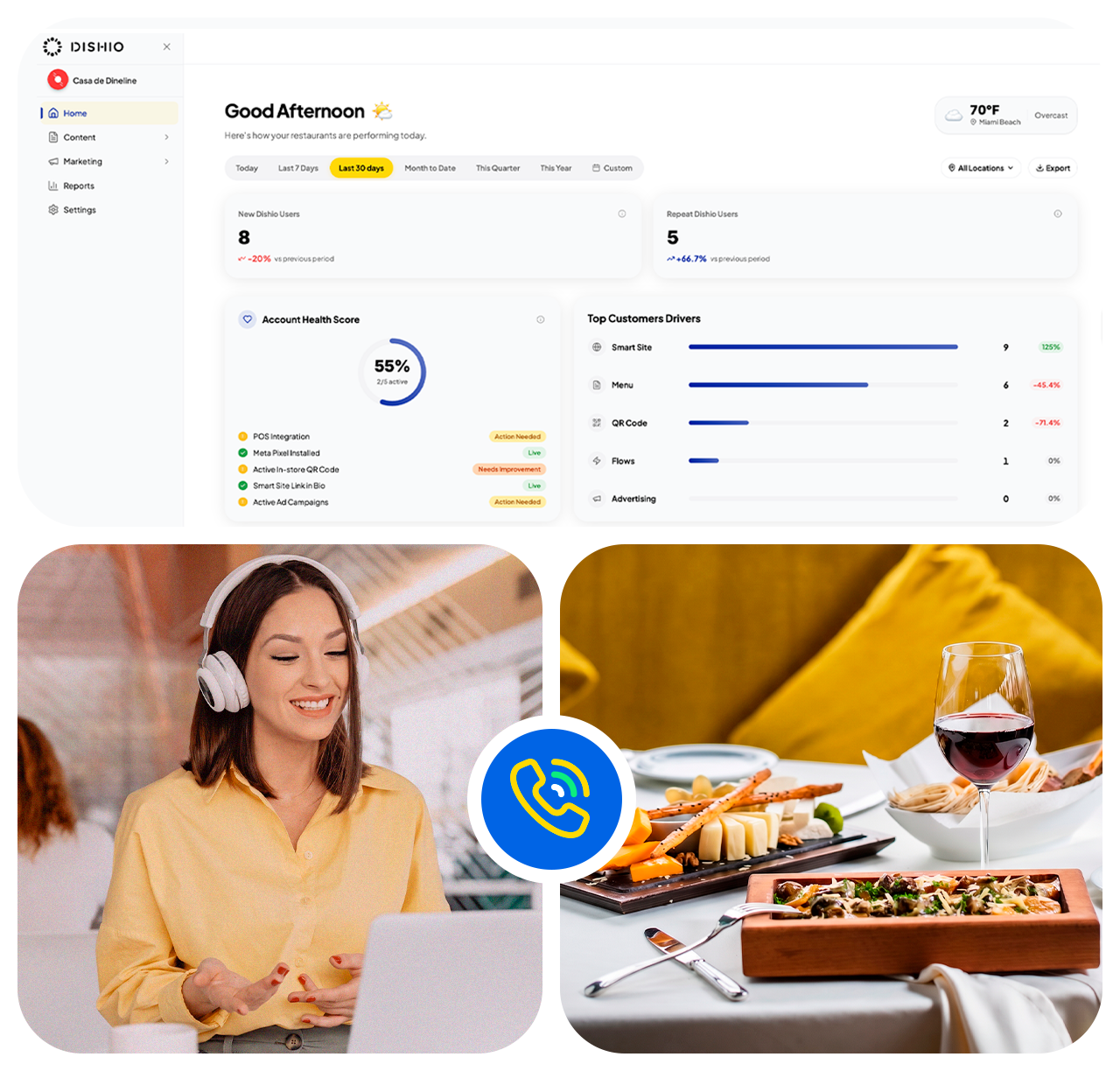
Every interaction builds a list of real customers. This data powers follow-up, personalization, and repeat visits.
4. Track everything
Measure leads, visits, and revenue to understand what is working and scale it effectively.
Final Thoughts: Think Like a Marketer
The biggest shift is not tactical—it is mental.
Restaurants that grow consistently do not think like operators who occasionally market.
They think like marketers who run restaurants.
When that shift happens, marketing stops being confusing and starts becoming a reliable driver of revenue.