Quick Summary: What’s Changing (and Why It Matters)
| Shift | What it creates for restaurants |
| People are drinking less | Demand for non-alcoholic options and “sober social” experiences is rising. |
| Fitness + wellness socializing | Run clubs, CrossFit, pickleball, and yoga create communities that want somewhere to hang after. |
| Generic restaurants lose | People connect with specific identity and a clear audience—not “for everyone.” |
| Events create ritual | Ticketed dinners, zero-proof nights, and community collabs create anticipation + FOMO. |
| Data + follow-ups build loyalty | Smart RSVPs + segmentation + personalized outreach turns community into repeat visits. |
Examples Mentioned in the Transcript
| Restaurant / Concept | What they do |
| Moxy Kitchen and Cocktails (Jacksonville) | Built a full “zero proof” happy hour menu. |
| The Butcher’s Daughter (NYC & LA) | Leans into plant-based and non-alcoholic culture as a lifestyle spot. |
| Masa Supper Club (San Francisco) | Ticketed shared meals with strangers + a waitlist. |
| M Cafe (Toronto) | Partners with local yoga studios for weekend yoga + breakfast events (packed each time). |
1. What “third spaces” mean (and why they’re back)
In sociology, the first space is home and the second is work. The third space is where real life happens—community, connection, and culture.
For a decade, many third spaces moved online through chats, threads, and video calls. Then the pandemic accelerated isolation and people got tired of screens. Now, people want places where they can belong in real life—and restaurants can become that place.
2. The culture shift: health, wellness, and sober socializing
A key trend mentioned is that people are drinking less. Non-alcoholic drink sales are stated as up over the last few years, with global increases and the U.S. leading.
This isn’t only about people who don’t drink—it includes “sober curious” and mindful drinkers who still want options outside alcohol.
3. The fitness boom creates communities that want to hang
Run clubs, CrossFit, pickleball, and yoga in the park have created a tidal wave of people who want to socialize without wrecking their health.
The insight is simple: after workouts, people don’t necessarily want to go home—they want community. That’s a lane restaurants can own.
4. The biggest mistake: being generic
The transcript calls out a core mistake: trying to be for everyone.
People don’t connect with generic. They connect with specific. The guide pushes restaurants to choose an audience, own it, and speak their language—so guests feel like they belong.
5. Define the “third space identity” your restaurant owns
Examples suggested include:
• The sober social spot on Thursday nights
• The go-to place for a 6:00 a.m. run-club brunch
• The chill co-work cafe with the best midday vibe
The principle: the more you know who you’re for, the more the right guests feel at home.
6. Why the best third spaces create ritual (not just meals)
The examples shared aren’t just restaurants—they create rituals.
That’s what makes a restaurant memorable: giving people something they anticipate, talk about, and return for.
7. Events are the not-so-secret weapon (FOMO + data + community)
Events create anticipation and buzz before and after they happen. They also give you a reason to capture data and follow up.
The transcript frames this as a key leverage point: events can drive community and also make marketing trackable.
8. How Dishio powers events + follow-ups
The guide describes creating RSVP or paid ticket links inside the platform, sharing them via email, and tracking who registered, who came, and who didn’t.
Then follow-ups are automated. Example described: someone books a spot for a non-alcoholic cocktail night, shows up, and then receives a VIP invite to the next event automatically.
9. The real difference: a system (not just Instagram posts)
The transcript contrasts the typical approach—posting on Instagram and hoping—with a system that captures every guest interaction.
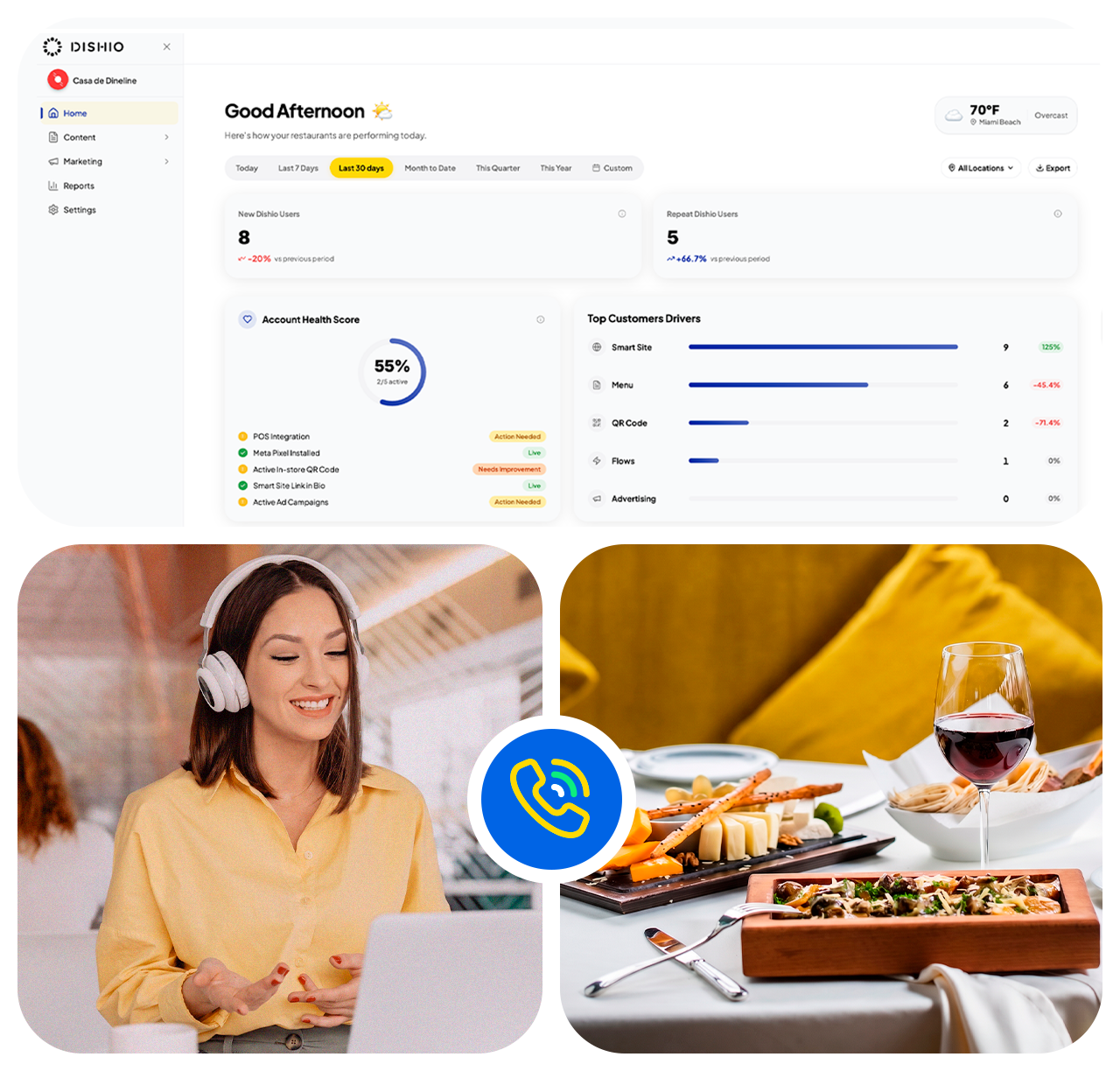
With a system, you capture guests who scan a menu or check a QR code, build profiles automatically, segment by behavior, and follow up with personalized texts/emails that feel one-to-one but run on automation.
10. Why this isn’t a trend—it’s a shift
The closing message is that people want places to belong and purpose behind their dollars. That happens by design, not accident.
By collecting the right data, creating the right events, and building smart follow-ups, restaurants can become the go-to third space in their city—and grow predictably as a result.
Final Thoughts
Third spaces are back because people are craving real connection again.
Restaurants that win won’t be the most generic—they’ll be the most specific: a clear audience, a clear identity, and rituals that create community.
When events are paired with guest data capture, segmentation, and automated follow-ups, the result is more than “good vibes.” It becomes a trackable growth system that brings regulars back and turns guests into community.